
Long before California became synonymous with celebrity estates and architectural experimentation, one pioneering architect quietly shaped some of the state’s most remarkable buildings. That architect was Julia Morgan. 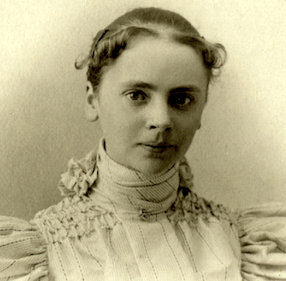
Morgan made history as the first woman licensed as an architect in California and would go on to design more than 700 buildings during her career. Her work ranged from intimate residences to grand institutional structures, but she is most famously known for creating Hearst Castle, the legendary hilltop estate commissioned by newspaper magnate William Randolph Hearst. Often called La Cuesta Encantada, “The Enchanted Hill”, Hearst Castle remains one of the most extraordinary private estates ever built in the United States. But while Hearst Castle captures most of the spotlight, Morgan’s influence extends quietly throughout Los Angeles, where several of her projects still stand today.
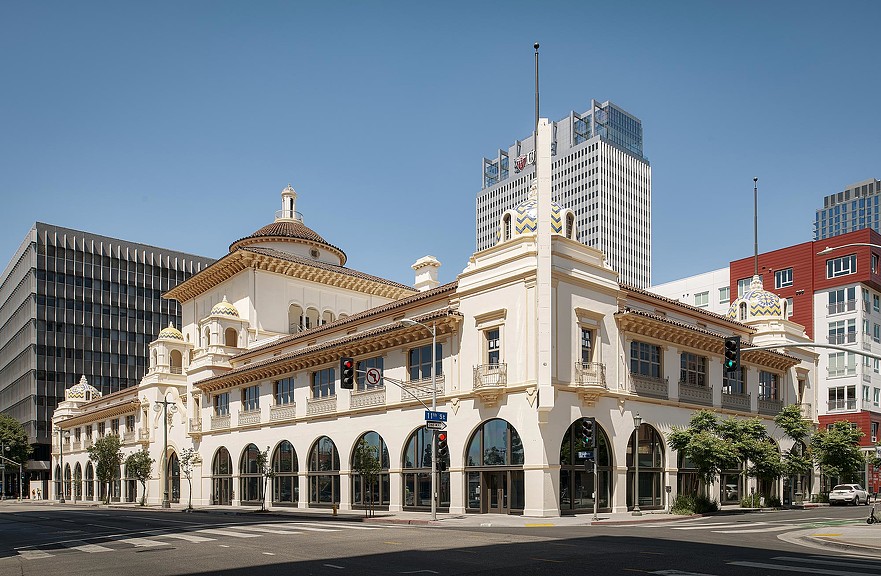
Herald Examiner Building — Downtown Los Angeles
One of Morgan’s most prominent Los Angeles commissions is the Herald Examiner Building, completed in 1913 in collaboration with Hearst. Located on South Broadway, the building served as the headquarters for Hearst’s Los Angeles Examiner newspaper. Morgan designed the structure in an ornate Mission Revival and Spanish Colonial Revival style, giving it a dramatic façade filled with arches, tilework, and sculptural detailing. In an era when newspapers were a powerful force shaping public opinion, the building became a centerpiece of downtown Los Angeles. Large windows once allowed pedestrians to watch the newspaper presses operating inside, an early example of architecture that turned industry into spectacle. Today, the building remains one of the most distinctive historic landmarks in downtown LA.
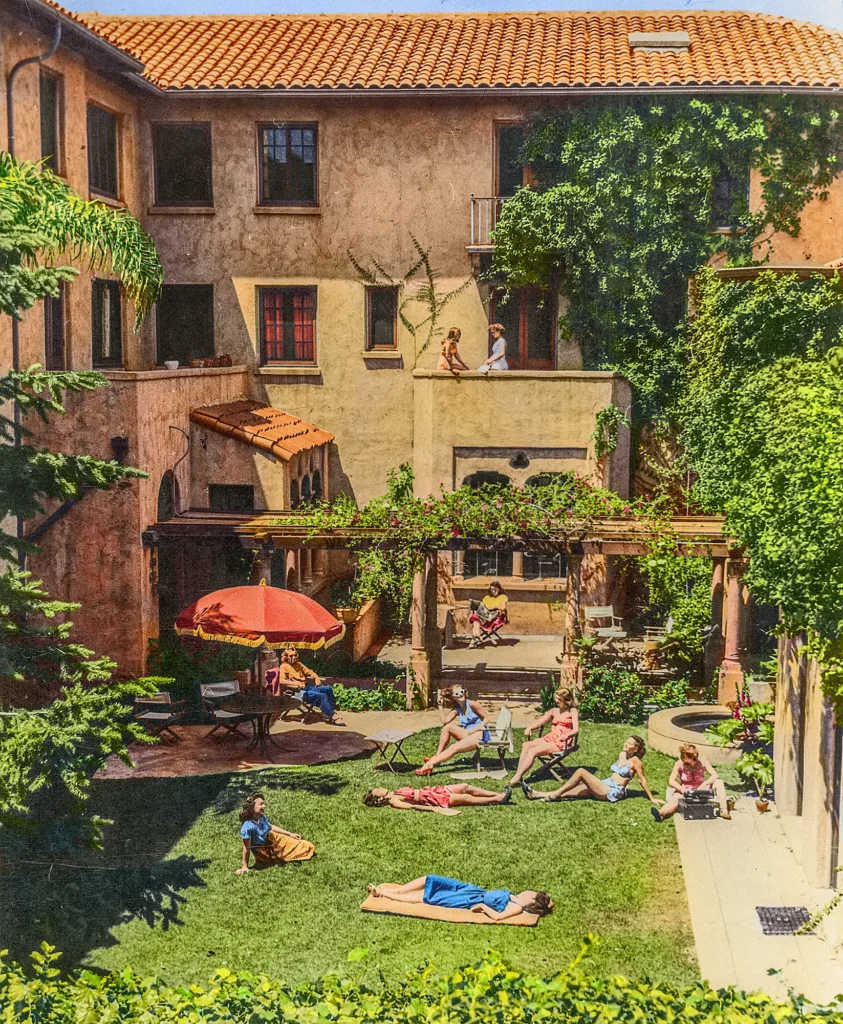
Hollywood Studio Club — Hollywood
Morgan’s work also intersects with one of Los Angeles’ defining industries: Hollywood. The Hollywood Studio Club, completed in 1926, was designed as a residence for young women pursuing careers in the film industry. Funded by the Young Women’s Christian Association and supported by Hollywood studios, the building provided safe and affordable housing for aspiring actresses arriving in Los Angeles. Over the years, thousands of women lived there, including future stars such as Marilyn Monroe and Rita Moreno. Morgan designed the building in a graceful Italian Renaissance Revival style, featuring arches, balconies, and communal spaces that fostered a sense of community.
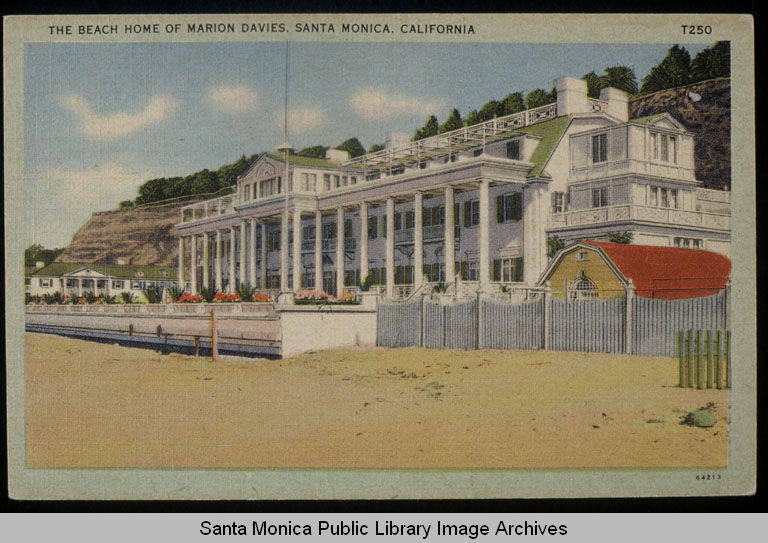
The Marion Davies Estate — Santa Monica
Morgan’s connection to Hearst extended beyond San Simeon. In Santa Monica, she designed elements of the lavish estate that Hearst built for actress Marion Davies. Today the site is known as the Annenberg Community Beach House. The surviving structures, including the iconic pool complex and guest house, reflect Morgan’s ability to blend Mediterranean architecture with California coastal living, creating a glamorous oceanfront retreat that once hosted some of Hollywood’s most famous gatherings.
A California Architect Ahead of Her Time
While Morgan designed hundreds of buildings across the state, her work always reflected the same core principles:
• careful craftsmanship
• thoughtful structural engineering
• architecture designed for the people who use it
Her Los Angeles projects connect several defining threads in the city’s early history; media, Hollywood, and coastal estates, while her masterpiece, Hearst Castle, stands as one of the most ambitious private homes ever created. Today, more than a century later, Julia Morgan’s buildings remain a testament to both architectural elegance and quiet determination. In many ways, her legacy is still unfolding — hidden in plain sight across California.