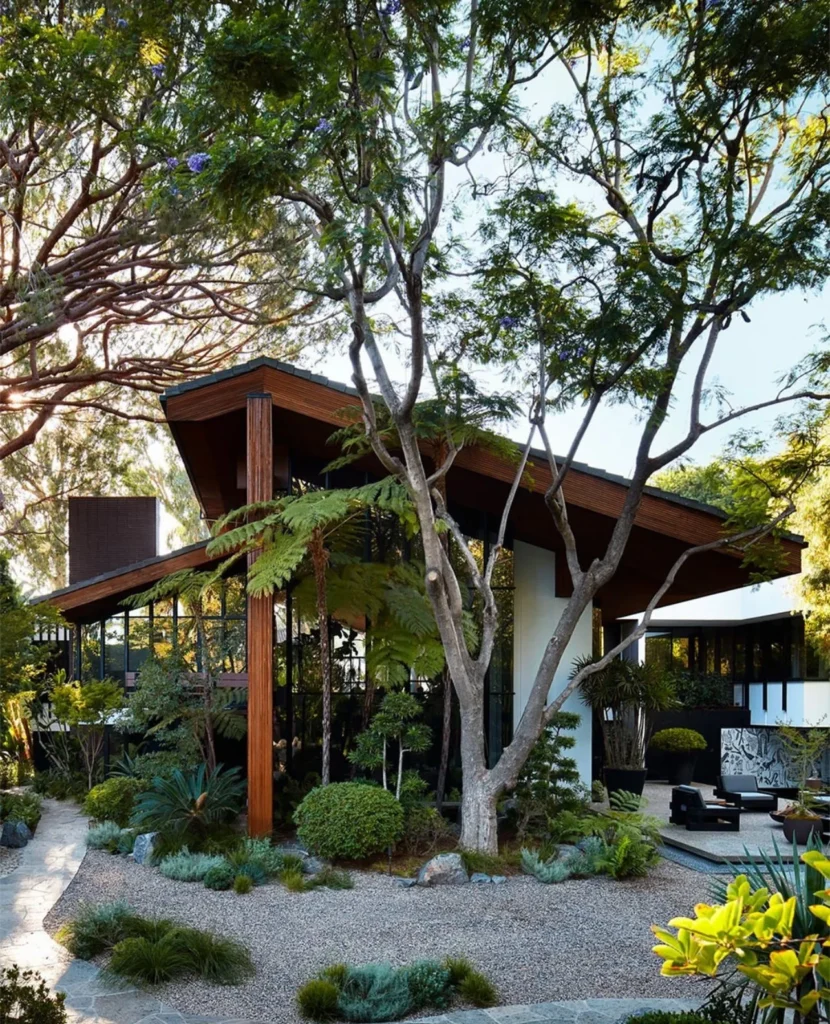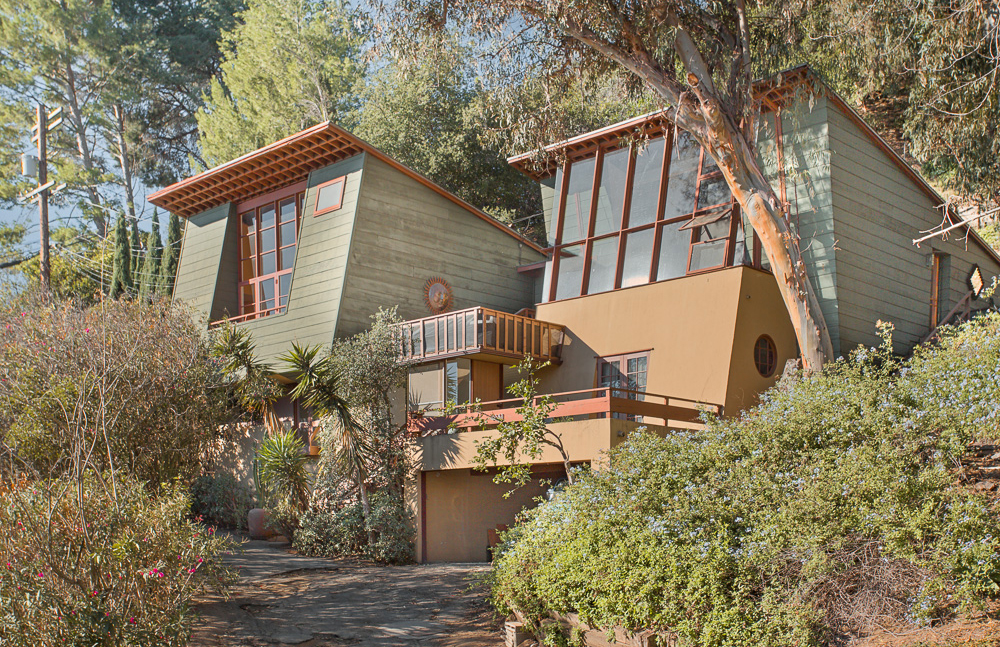
In the world of Los Angeles architecture, certain names have become synonymous with iconic design: Neutra, Lautner, Wallace Neff. Among them stands A. Quincy Jones (1913–1979), an architect whose work helped define the lifestyle we now associate with California Modernism. While many architects shaped how the city looks, Jones shaped how the city lives.
Jones believed that architecture was ultimately about people. He did not view a home as a showpiece, but rather as a stage for everyday life. In his hands, architecture became an experience: morning light spilling across a terrazzo floor, sliding glass walls opening a living room to a breeze filled courtyard, children moving freely from kitchen to backyard. His homes were designed for real living, blending functionality with warmth and visual simplicity.
In a city known for showmanship, Jones created calm.

Los Angeles as His Creative Partner
When Jones arrived in Los Angeles in the late 1930s, the city was undergoing a cultural transformation. Unlike traditional cities with architectural constraints, Los Angeles offered freedom and experimentation. With sweeping hilltops, ocean breezes and year round sunshine, Southern California’s climate became Jones’ greatest collaborator.
He embraced the environment and blurred the lines between indoors and outdoors. Glass walls dissolved boundaries. Rooflines extended outward to create shade. Courtyards became the center of the home, rather than the perimeter. Natural light was not just admitted but intentionally shaped, softened or directed. As a result, his homes feel effortless and intuitive.
Jones’ residential projects began appearing throughout many of Los Angeles’ most prestigious neighborhoods including Bel-Air, Brentwood, Pacific Palisades, Trousdale Estates and the Beverly Hills Post Office area. These properties elevated modernism into something intimate, personal and livable. They remain deeply sought after in today’s architectural real estate market, often commanding a premium because of their provenance.
Warm Modernism: Modern Without the Cold
Jones had an ability to create modern homes that felt human and inviting. Instead of stark minimalism, he championed what we now call warm modernism. Timber ceilings add texture and warmth. Sunlight reflects across polished concrete or terrazzo floors. The post and beam construction creates rhythm and repetition, grounding the openness of the space.
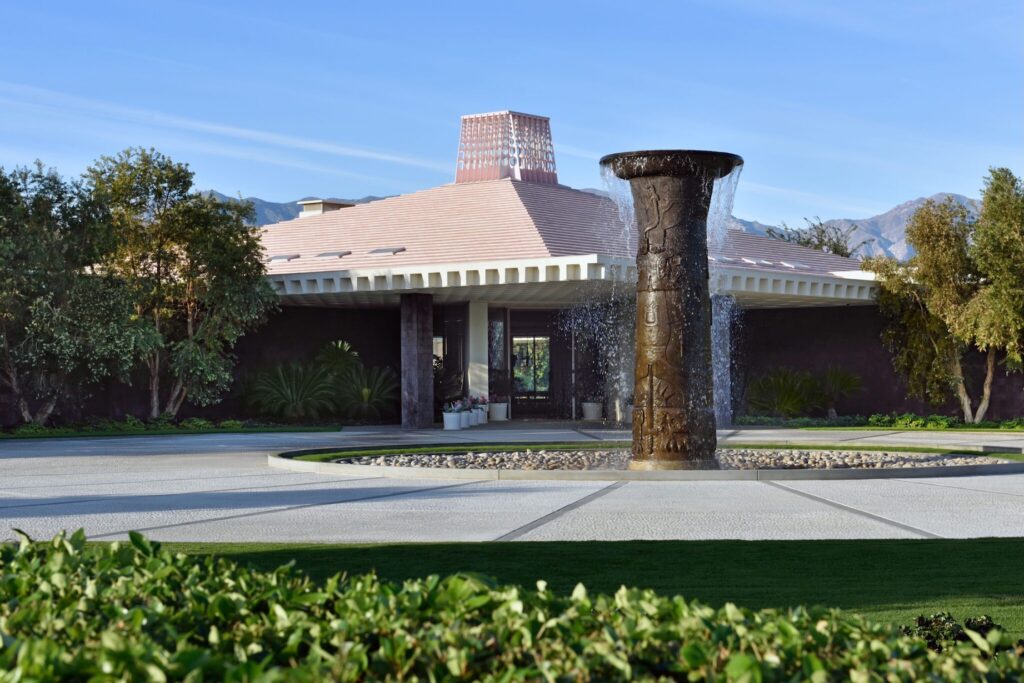
One of his most notable projects, the Annenberg Estate known as Sunnylands in Rancho Mirage, is often referred to as The West Coast Camp David. It has hosted presidents, heads of state and world leaders. Despite its scale and significance, the home remains understated, as though comfort and calm were the true expressions of luxury. That was Jones’ signature: grandeur without pretension.
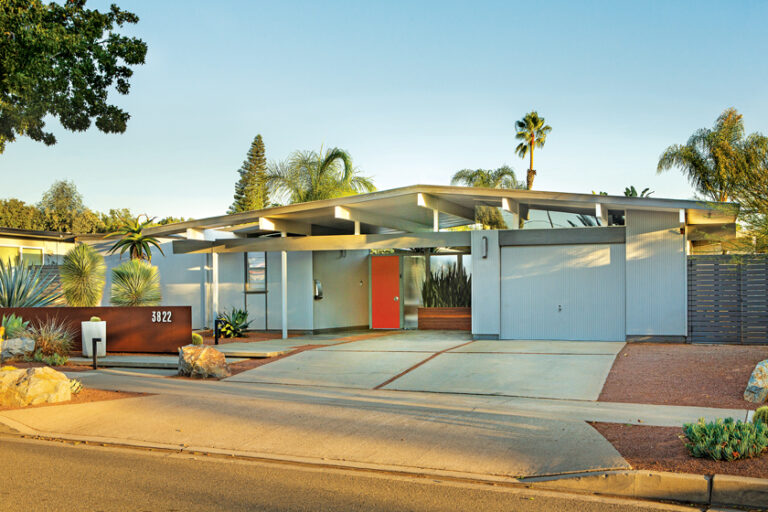
Yet Jones was equally passionate about design accessibility. His collaboration with developer Joseph Eichler produced the iconic Eichler Homes found throughout parts of California. These residences introduced atriums, open floor plans and floor to ceiling glass to middle class neighborhoods. The indoor outdoor lifestyle now considered aspirational luxury was, in Jones’ mind, something everyone deserved.

Why A. Quincy Jones Homes Still Command Attention
Today, architectural listings play a significant role in the Los Angeles luxury real estate market. Provenance matters, especially among buyers who value design heritage, history and pedigree. A home attributed to A. Quincy Jones is not just a property; it is a collectible piece of living art.
Buyers are drawn to:
• The emotional feeling of the space
• The harmonious connection to nature
• The calming effect of natural materials and intentional light
When photographed, toured or lived in, his homes translate beauty and serenity in equal measure. In Los Angeles, where properties compete for attention, homes designed by Jones stand out because they offer something more than square footage or finishes. They offer peace, a rare commodity in a fast city.
A Legacy That Still Shapes Modern Living
As his career evolved, Jones became Dean of the UCLA School of Architecture and Urban Planning, mentoring future architects and influencing the next generation of Los Angeles design. His philosophy remains visible today in contemporary homes throughout Southern California that prioritize natural light, flexible spaces and seamless indoor outdoor flow.
Decades after they were built, Jones’ homes have not aged. They continue to feel relevant, modern and quietly luxurious. The architecture endures because it was based not on trends, but on human experience.
He did not just design homes.
He defined a lifestyle: light, warmth and effortless connection to nature.
Discover the legacy of architect A. Quincy Jones, a pioneer of California Mid-Century Modern design whose work shaped Los Angeles luxury real estate. Explore why his homes are still sought after in today’s high-end property market.